

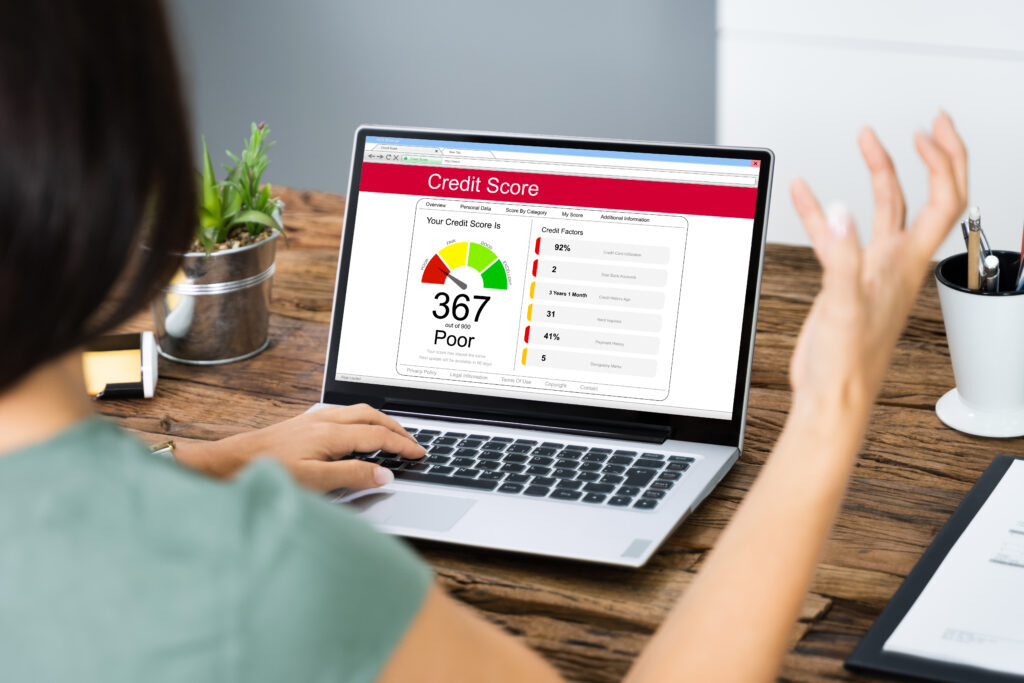
When a business generates strong monthly revenue, but the owner has a low personal FICO score, traditional bank underwriting often results in a decline. In 2026, however, the small business finance landscape increasingly prioritizes cash flow, bank activity, receivables quality, and asset coverage over personal credit history.
If your company has been declined due to a low FICO but maintains consistent revenue, here are structured funding options that evaluate performance rather than credit score alone.
Why High-Revenue Businesses Get Declined
Banks typically evaluate:
- Personal FICO score
- Time in business
- Collateral strength
Even with substantial gross revenue, a subprime FICO can signal repayment risk under traditional underwriting models. Alternative funders, fintech platforms, and asset-based institutions mitigate that risk differently by focusing on measurable business performance.
Revenue-Based Financing for Low FICO Score Businesses
Revenue-based financing products are engineered for businesses with strong cash flow but weak credit profiles.
Revenue-Based Financing
RBF provides a lump sum in exchange for a fixed percentage of daily credit card or ACH sales.
Key characteristics:
- Approval is primarily based on monthly revenue
- Lenient credit requirements
- Fast funding (often 24–72 hours)
- Automated daily remittance
Common providers in this category include:
- CFG Merchant Solutions®
- Forward Financing
- Credibly
These products are suitable for retail, hospitality, and service businesses with strong card volume.
Online Lines of Credit
Some funders evaluate “overall business health” instead of focusing exclusively on FICO.
Examples:
- CFG Merchant Solutions®
- Bluevine
- CapFlow Funding Group
These platforms often require minimum time-in-business thresholds and verification of recurring revenue.
Asset-Backed & Collateral-Driven Financing
If your business has tangible or financial assets, asset-backed structures can significantly reduce the impact of low personal credit.
Invoice Factoring
Invoice factoring converts accounts receivable into immediate working capital. The factoring company evaluates your customers’ creditworthiness, not your personal FICO.
Leading providers include:
- CapFlow Funding Group®
- FundThrough
This solution is especially effective for B2B companies with net-30 to net-90 terms.
Additionally, alternative capital providers such as CFG Merchant Solutions® work with revenue-producing businesses that may not meet traditional credit thresholds, structuring working capital solutions around sales performance rather than solely personal credit metrics.
Equipment Financing
When purchasing machinery or commercial vehicles, the equipment itself serves as collateral. The funder retains a secured interest in the equipment, credit score requirements may be lower than unsecured loans.
Asset-Based Lending (ABL)
ABL facilities provide revolving lines of credit secured by:
- Accounts receivable
- Inventory
- Equipment
- Sometimes real estate
Institutions offer ABL solutions for high-growth or asset-rich companies. These facilities are common among manufacturing, wholesale, and distribution businesses.
SBA & Government-Supported Alternatives
SBA Microloans
The U.S. Small Business Administration Microloan Program provides loans up to $50,000 through nonprofit intermediaries.
Compared to traditional SBA 7(a) loans, microloans:
- Often have more flexible credit standards
- Provide technical assistance
- Support early-stage or credit-rebuilding businesses
Intermediaries may work closely with borrowers to evaluate business viability beyond FICO.
Platform-Based and Processor Loans
If you process payments through fintech platforms, embedded lending may be available.
Examples:
- Square Capital (through Block)
- PayPal Working Capital
These programs assess processing history and sales volume rather than personal credit scores.
Strengthening Approval Odds with Structural Enhancements
If credit is the primary obstacle, lenders may mitigate risk through:
- Adding a creditworthy co-signer
- Providing additional collateral (real estate, equipment, inventory)
- Increasing down payments
- Demonstrating consistent 6–12 month bank statement strength
What Funders Examine When FICO Is Low
When personal credit is weak, funders shift focus to operational metrics:
- Average monthly gross revenue
- Revenue consistency (3–12 months)
- Deposit frequency and volatility
- Cash flow coverage ratio
- Existing debt obligations
- Chargebacks or NSF activity
- Customer concentration risk
High revenue alone is insufficient; funders evaluate the quality and durability of revenue streams.
How to Improve Business Credit Profile
For long-term financing flexibility:
- Establish trade lines with vendors reporting to bureaus.
- Pay all obligations before due dates.
- Reduce credit utilization ratios.
- Separate personal and business credit accounts.
- Monitor credit reports for inaccuracies.
Over time, improving business credit reduces reliance on high-cost capital.
Strategic Capital Planning for High-Revenue, Low-Credit Businesses
A disciplined approach includes:
- Evaluating revenue stability before borrowing
- Matching product structure to cash flow cadence
- Avoiding stacking multiple short-term advances
- Using asset-backed solutions when available
Final Takeaway
A low FICO score does not automatically disqualify a high-revenue business from accessing capital. In 2026, underwriting models increasingly emphasize: Cash flow analytics, Asset coverage, Customer credit quality, and Real-time banking data.
By leveraging revenue-based financing, invoice factoring, asset-based lending, equipment financing, SBA microloans, and alternative providers like CFG Merchant Solutions®, businesses can secure funding solutions aligned with performance rather than personal credit history.
When structured carefully, these options provide liquidity while preserving long-term financial health.